Review: OneShot
At a Glance
|
| ||||||||||||||||||||||||
How to Save and Pause:Fair warning here: while this game does allow you to leave at any time, it will be treated as upsetting to the main character. You're really only supposed to leave when Niko sleeps, which typically happens at the end of a chapter. Time needed per session:Because of the unique way this game is played, how much time you'll need varies considerably. Definitely plan on longer sessions, just in case you need the extra time.
|
|||||||||||||||||||||||||

Does this game pose issues for Christian players?
 | No - this is a great game for Christians This game deceptively casts the player as god, creating a unique way to explore various themes and opens the player up to some unexpected emotional payloads. |
Screenshots
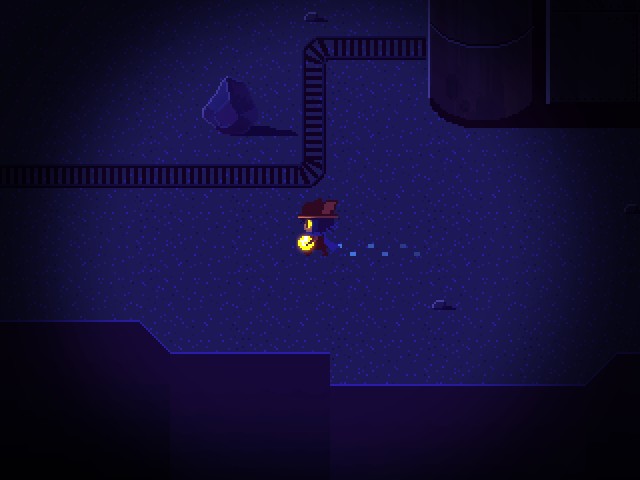
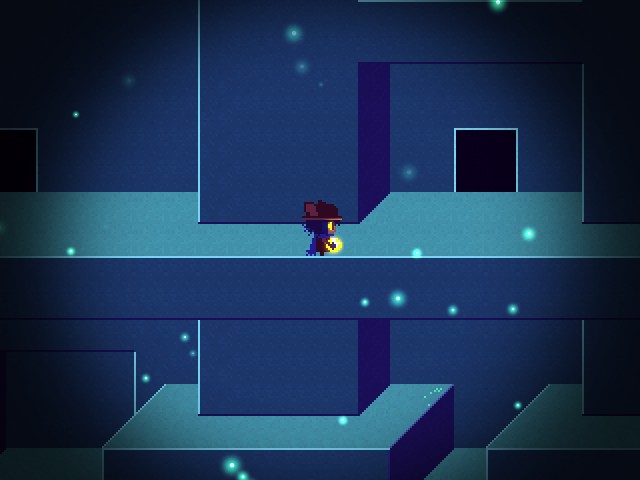
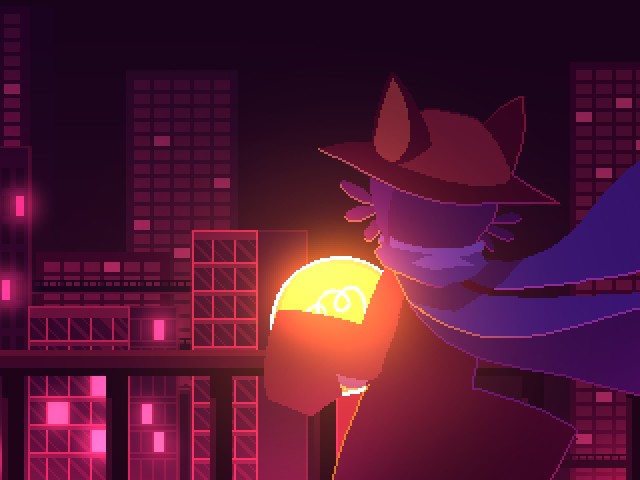
Game Overview
OneShot is a very different puzzle game. Unlike most games, the player - or at least, the player's computer - is treated as part of the game itself. There is no fourth wall here; characters and the game itself will address you personally, and files on your computer are used as part of the game. It makes for a very immersive experience - one that might even rival Undertale.
Gameplay wise, OneShot is fairly basic. There are no enemies to fight, no points to score, no stats to increase. Just a lot of NPCs to interact with, items to find, and a few simple puzzles to solve. This isn't a game where reflexes matter; the meat of the experience lies in how it tells its story, and that begins with a little kid named Niko waking up in an unfamiliar world.
After solving some fairly trivial puzzles that function as the game's tutorial, Niko can begin exploring, and not far from where you begin is a robot calling itself "Prophetbot". Prophetbot is programmed to provide The Messiah (Niko) with information about this world, and that includes introducing Niko to you, the player.
If you've gone into this game blind, you'll have already seen a few hints that this isn't going to be a normal adventure, and Prophetbot drives this home with the subtly of a sledgehammer: they know your name.
At no point in the game did you enter this information.
And that's where this game starts to really come alive. Through Prophetbot, you and Niko will learn several important details, such as the fact that you both were brought into this dying world to save it, that the lightbulb Niko carries is destined to be the world's new Sun, and that your job, as the "god" of this world, is to guide Niko through their adventure.
By treating you as this distant but ever present god, OneShot reframes everything. You aren't Niko, nor do you control them like an avatar. They're just an innocent little kid who's been drafted into saving a dying world. They're depending on you to guide them through their adventure and get them back home safely.
In the meantime, Niko's going to treat you much like how Sunday school children treat God - they'll randomly talk to you or ask you questions, and generally hope you know what you're doing when you direct them to do things.
As mentioned in the opening paragraph, this game manipulates files on your computer, so sometimes new files will appear that offer answers to puzzles. This reinforces Niko's belief in you, as a god would know hidden things.
There are some downsides to this arrangement though: Niko isn't really your typical hero archetype. Like any other little kid, they'll get tired and homesick, so you'll also need to "care" for them by leading them to suitable beds where they can rest. Incidentally, the game also closes itself when Niko is sleeping, which is a nice touch. When you return later, they'll be dreaming about something, like returning home to mommy's pancakes.
But, whatever you do, don't close the game while Niko's awake - they'll see the world go completely black for no apparent reason and get very frightened.
Ultimately, I'd say that this is a must-play for anyone who enjoys games where choices matter and out of the box thinking is required. But there is something important you should know: the reason it's called OneShot is because you have only one chance to save the world. You can't play it again - after everything is done, Niko isn't there anymore, and there's nothing more for you to do.
So remember, you have one shot at this.
Make it count.
Gameplay wise, OneShot is fairly basic. There are no enemies to fight, no points to score, no stats to increase. Just a lot of NPCs to interact with, items to find, and a few simple puzzles to solve. This isn't a game where reflexes matter; the meat of the experience lies in how it tells its story, and that begins with a little kid named Niko waking up in an unfamiliar world.
After solving some fairly trivial puzzles that function as the game's tutorial, Niko can begin exploring, and not far from where you begin is a robot calling itself "Prophetbot". Prophetbot is programmed to provide The Messiah (Niko) with information about this world, and that includes introducing Niko to you, the player.
If you've gone into this game blind, you'll have already seen a few hints that this isn't going to be a normal adventure, and Prophetbot drives this home with the subtly of a sledgehammer: they know your name.
At no point in the game did you enter this information.
And that's where this game starts to really come alive. Through Prophetbot, you and Niko will learn several important details, such as the fact that you both were brought into this dying world to save it, that the lightbulb Niko carries is destined to be the world's new Sun, and that your job, as the "god" of this world, is to guide Niko through their adventure.
By treating you as this distant but ever present god, OneShot reframes everything. You aren't Niko, nor do you control them like an avatar. They're just an innocent little kid who's been drafted into saving a dying world. They're depending on you to guide them through their adventure and get them back home safely.
In the meantime, Niko's going to treat you much like how Sunday school children treat God - they'll randomly talk to you or ask you questions, and generally hope you know what you're doing when you direct them to do things.
As mentioned in the opening paragraph, this game manipulates files on your computer, so sometimes new files will appear that offer answers to puzzles. This reinforces Niko's belief in you, as a god would know hidden things.
There are some downsides to this arrangement though: Niko isn't really your typical hero archetype. Like any other little kid, they'll get tired and homesick, so you'll also need to "care" for them by leading them to suitable beds where they can rest. Incidentally, the game also closes itself when Niko is sleeping, which is a nice touch. When you return later, they'll be dreaming about something, like returning home to mommy's pancakes.
But, whatever you do, don't close the game while Niko's awake - they'll see the world go completely black for no apparent reason and get very frightened.
Ultimately, I'd say that this is a must-play for anyone who enjoys games where choices matter and out of the box thinking is required. But there is something important you should know: the reason it's called OneShot is because you have only one chance to save the world. You can't play it again - after everything is done, Niko isn't there anymore, and there's nothing more for you to do.
So remember, you have one shot at this.
Make it count.
Points of Interest
 Multiple Endings
Early on, you'll be told that once you've found the Lighthouse and plugged in the replacement Sun, Niko can go home and everything will be fine. However, as you continue your journey, there will be hints that this may actually be the wrong solution.
Thus, when it comes down to the final choice, do you have Niko install the new Sun, or smash it? Which path is the real solution?
Thus, when it comes down to the final choice, do you have Niko install the new Sun, or smash it? Which path is the real solution?
Hidden Secrets
OneShot doesn't seem like the sort of game to feature easter eggs and other surprises, but there's actually a number of them for you to uncover. As you make your way through the world, remember to check everything that isn't blocked or corrupted - there are even a few hidden places where Niko can enter the background.
People interested in data mining will also discover more easter eggs hidden away in the game's files. For example, in an inaccessible section of one area, there's a silly portrait of Niko enjoying pancakes drawn on the floor.
People interested in data mining will also discover more easter eggs hidden away in the game's files. For example, in an inaccessible section of one area, there's a silly portrait of Niko enjoying pancakes drawn on the floor.
Steam community features
Like most Steam games these days, there's a set of Steam trading cards for you to collect, and a total of 11 achievements for you to earn. Of them all, only one of them is a little bit spoilery, but I'm sure clever players will have already worked out that specific detail.
Click to Show Spoilers
New Game Plus
You've been lied to.
By tweaking the right file on your computer, you can play through the game again. However, the game is aware that you've played it through before, so this next play through won't be quite the same. During this second play through, there's a way to trigger an entirely new storyline, called the Solstice event.
Completing the Solstice event's storyline is how you get the real ending of the game, and properly save the world.
By tweaking the right file on your computer, you can play through the game again. However, the game is aware that you've played it through before, so this next play through won't be quite the same. During this second play through, there's a way to trigger an entirely new storyline, called the Solstice event.
Completing the Solstice event's storyline is how you get the real ending of the game, and properly save the world.
Concerns and Issues
 Fourth wall breaking may be an issue
The way the game knows about you without you giving it any information is pretty creepy, as is the way that it treats your computer as part of the game's world. Some players may feel a bit paranoid about how this can happen, though it's really just a technological equivalent of stage magic.
At the same time, it's possible that a player may become overly attached to Niko, and there are a few ways for them to get hurt (physically and emotionally) over the course of their journey. Unlike most games, these incidents can't be undone by reloading a saved game or starting over.
At the same time, it's possible that a player may become overly attached to Niko, and there are a few ways for them to get hurt (physically and emotionally) over the course of their journey. Unlike most games, these incidents can't be undone by reloading a saved game or starting over.
A dying world
The world you and Niko discover is literally falling apart. Without a Sun, the place is a dark, gloomy mess, and everyone left is just trying to hold on to whatever they can. Niko's presence is a sign that there's still hope, and that's more than these people have had for a while.
The way the world is dark and fading is already pretty grim, but there's perhaps something worse going on: it's slowly being consumed by glitch-like corruption. Anyone who gets caught in these distortions is lost to what might be a fate worse than death, and there's nothing you or Niko can do about it.
The way the world is dark and fading is already pretty grim, but there's perhaps something worse going on: it's slowly being consumed by glitch-like corruption. Anyone who gets caught in these distortions is lost to what might be a fate worse than death, and there's nothing you or Niko can do about it.
The player is introduced as god of this world
Considering that the player isn't all knowing - at least, not without a walkthrough - it might be a little awkward to find yourself getting introduced as a god who's always there, always watching, and always listening.
In a way, this almost puts you in a similar position to the Christian God: pay attention to how Niko and the other characters respond to you, as it might make you think about your own relationship with God in a new light.
I'll leave it to the reader to decide if this is a good or bad thing.
In a way, this almost puts you in a similar position to the Christian God: pay attention to how Niko and the other characters respond to you, as it might make you think about your own relationship with God in a new light.
I'll leave it to the reader to decide if this is a good or bad thing.
What counts as a soul anyway?
The majority of characters you and Niko will come across are robots, like Prophetbot. As machines, they don't possess free will, and are oddly open about this, saying that they "have not been tamed".
When a robot is "tamed", they leave their programming behind and start acting on their own desires, wants, and needs, like a real person. This is explored with a few different characters here, as there are tamed robots out there for you and Niko to meet.
When a robot is "tamed", they leave their programming behind and start acting on their own desires, wants, and needs, like a real person. This is explored with a few different characters here, as there are tamed robots out there for you and Niko to meet.
Religious overtones
Just about everyone is waiting for their world's messiah to come and save them, and they'll recognize Niko as the messiah simply because they are carrying the new Sun. It's worth pointing out that while many characters are honored by Niko's interest in them and are more than willing to help, nobody, not even Prophetbot, worships Niko or the player.
Click to Show Spoilers
Crisis of faith
During the Solstice storyline, Niko will learn that you are, in fact, not a "god" but a person sitting at their computer playing a game. Understandably, they don't take this revelation well.
This may surprise some readers, but something similar to this happens to many Christians - there comes a point our lives where God feels very distant, like He never really existed. This is often called the dark night of the soul , and how one responds to it can make or break someone's faith.
In Niko's case, they eventually realize that whether you're a god or not doesn't matter - you're trying to make things right, and you can only do that if Niko and you work together.
This may surprise some readers, but something similar to this happens to many Christians - there comes a point our lives where God feels very distant, like He never really existed. This is often called the dark night of the soul
, and how one responds to it can make or break someone's faith.In Niko's case, they eventually realize that whether you're a god or not doesn't matter - you're trying to make things right, and you can only do that if Niko and you work together.